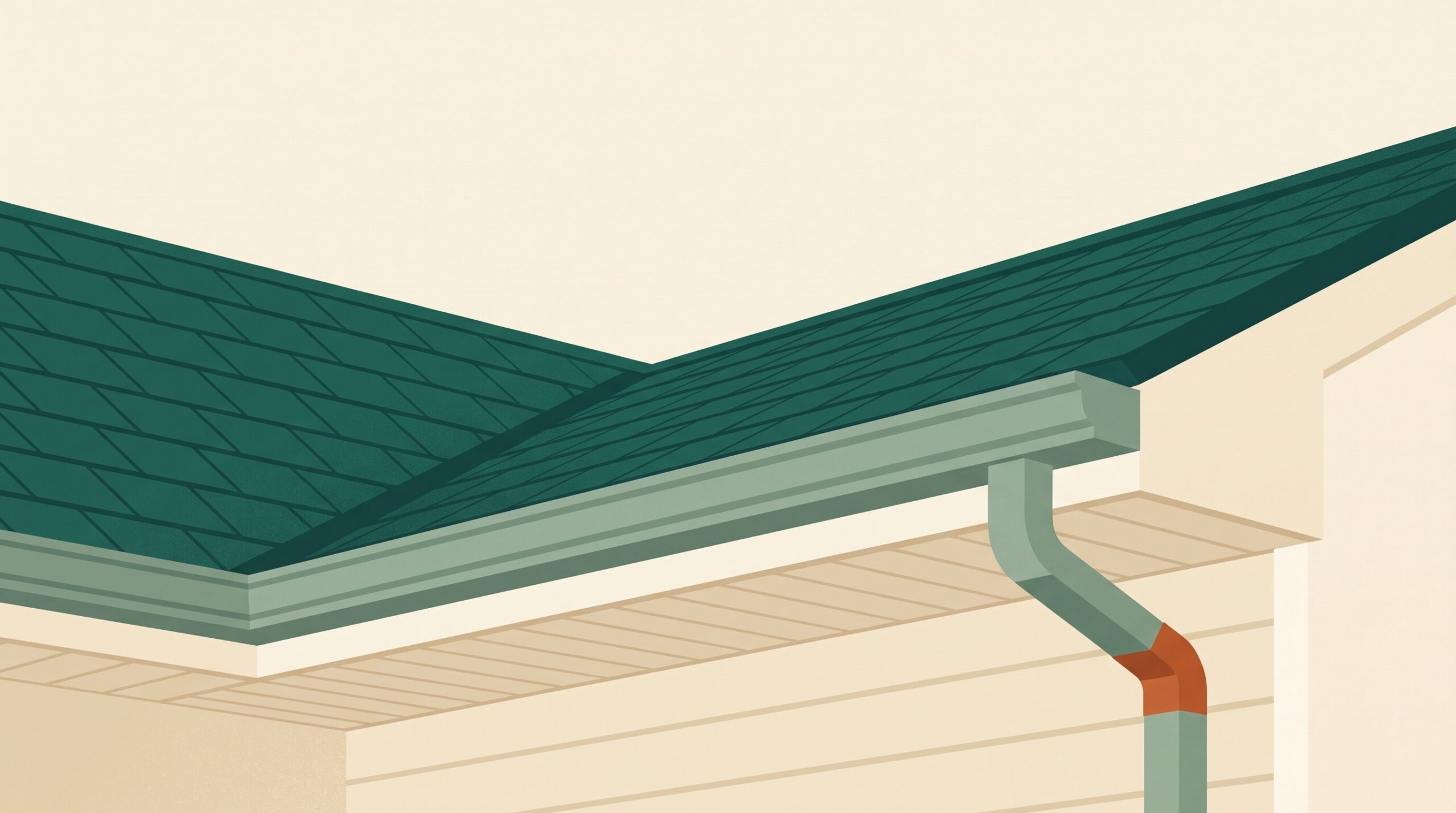
In short: uPVC guttering fitted typically runs £40–£50 per metre, aluminium £55–£95 per metre, and cast iron £85–£180+ per metre depending on profile. Fascias and soffits cost more to fit, roughly £90–£150 per metre in uPVC and £150–£220 per metre in aluminium, because the boards are structural as well as decorative. A typical semi-detached house doing both together lands somewhere around £2,700–£4,000, though the exact figure depends on roofline length, access and whether the old boards need full removal or can be capped over.
Roofers in Aylesbury and Buckinghamshire to browse
If you are ready to get quotes, these local trade categories cover the different parts of a guttering or fascia job:
- General & pitched roofing contractors
- Flat roofing specialists
- Leadwork specialists
- Roof & gutter cleaning – worth trying first if your gutters just need clearing rather than replacing
- Roofing supplies & materials – useful if you want to price up materials separately from labour
How much do guttering and fascias cost in Buckinghamshire?
We could not find a Buckinghamshire-specific price index for guttering and fascias, so the figures below are drawn from national UK trade cost guides and cross-checked against at least two independent sources each. Where sources disagreed by a wide margin, we have flagged it rather than picking the number that looked best. South East England, including Bucks, tends to run 15–25% above the national averages quoted here.
- uPVC guttering, fitted: roughly £40–£50 per metre run
- Aluminium guttering, fitted: roughly £55–£95 per metre, with premium seamless systems up to around £180 per metre
- Cast iron guttering, fitted: roughly £85–£180+ per metre, more for bespoke heritage profiles
- uPVC fascias & soffits, full replacement, fitted: roughly £90–£150 per metre
- Aluminium fascias & soffits, fitted: roughly £150–£220 per metre
- Scaffolding, where needed: roughly £250–£700 for a single elevation, up to £900–£1,500 for a full house
Real Buckinghamshire/UK prices
MyJobQuote’s cost guide puts uPVC guttering supply-only at £2–£8 per metre, with a typical guttering specialist charging £55–£65 an hour and a three-bed semi (around 32 metres of run) taking 5–6 hours to fit, for a total supplied-and-fitted cost of £1,280–£1,600. Aluminium on the same house comes out at £1,800–£2,400, and cast iron at £1,600–£2,300 (MyJobQuote, 2026). FixMyRoof’s separate guide arrives at a similar per-metre range for guttering, £40–£50 for uPVC and £55–£95 for aluminium fitted, plus a day rate of £150–£200 for a two-person crew (FixMyRoof, 2026). The two sources agree closely enough on guttering to treat those figures as reliable.
For fascias and soffits specifically, BestBuilders’ guide gives £90–£130 per metre for white uPVC and £150–£220 per metre for aluminium, with whole-house costs (fascias and soffits only, no gutters) of £1,400–£2,200 for a mid-terrace and £2,200–£3,400 for a semi-detached (BestBuilders, 2026). We flag one discrepancy here: some contractor-run cost guides quote uPVC fascia installation as high as £115–£185 per metre, notably above the £90–£150 range that independent aggregator sites converge on. We have used the lower, better-corroborated range in the chart above and would treat anything above £150 per metre for standard white uPVC fascia as worth querying with the contractor, unless your property has an unusually complex roofline.
The whole-house combined figures (fascias, soffits and new gutters together) in the third chart above come from BestBuilders’ property-size breakdown, which is broadly in line with the £1,200–£3,000 fascia-only and £600–£1,500 guttering-only ranges commonly quoted elsewhere once you add the two together for a mid-sized house. Larger detached properties with more roofline naturally push past £4,000.
PVC, aluminium or cast iron: which is worth it?
The three materials sit at genuinely different price and lifespan points, not just different price points for the same product.
- uPVC. Cheapest to buy and fit, £40–£50 per metre for guttering and £90–£150 per metre for fascias. Typical lifespan is 20–30 years in normal UK conditions, though sun-facing elevations or coastal-style weather exposure can bring that down to 10–25 years as the plastic degrades and discolours (Gutter Centre). Low maintenance, no painting needed, widest colour and profile choice including cast-iron-effect Ogee for a period look without the weight or cost.
- Aluminium. Roughly 40–50% more expensive than uPVC. In exchange you get a genuinely long service life, commonly quoted at 30–40 years maintenance-free, with some manufacturers claiming up to 60 years for heritage-grade systems (Kalsi Plastics). It does not rust, is lighter than cast iron, and seamless aluminium (formed on site with no joints) reduces leak points, which is part of why it costs more.
- Cast iron. The most expensive material and the most expensive to fit, given the weight involved. Genuinely can last 100 years or more if it is painted and maintained, which is exactly why so many Victorian and Edwardian Buckinghamshire properties still have their original runs. Left unpainted or unmaintained, though, corrosion sets in far faster, with real deterioration reported from as little as 15–20 years of neglect (Gutter Centre). It needs periodic repainting to hit its full lifespan, which uPVC and aluminium do not.
For period and listed properties, material choice is not always a free choice. Grade I and Grade II* listed buildings, and some properties in conservation areas, may require genuine cast iron or a very close match under local planning rules. Check with the district conservation officer before you commit to uPVC or aluminium on a listed property, since retrofitting the wrong material can trigger enforcement action, not just a design complaint.
What actually drives the price
- House size and roofline length. Price is fundamentally a per-metre-run cost, so a detached house with 45 metres of guttering will always cost more than a terrace with 18 metres, regardless of material.
- Material. As above, uPVC, aluminium and cast iron sit at genuinely different price points, not just different labels on the same product.
- Access and scaffolding. A straightforward two-storey semi with ladder access is cheaper to work on than a three-storey property, a steep site, or a house backing onto a shared boundary that needs scaffolding rather than a tower or ladders. Scaffolding alone can add £250–£1,500 depending on how much of the house needs covering.
- Full removal vs overboarding. Capping (fitting new uPVC over existing timber fascias rather than stripping them out) is roughly 20–30% cheaper up front, but it only makes sense if the timber underneath is sound. Capping over rotten timber just hides the problem until it fails again, potentially damaging the new cladding when it does.
- Number of downpipes and outlets. Extra downpipes, hopper heads, and internal or box gutters all add to a quote beyond the simple per-metre rate.
Guttering quote red flags
- A price given over the phone or from a photo, with no one actually measuring your roofline in metres. Guttering and fascia costs are inherently per-metre, so a quote without a measurement is a guess, not a price.
- No mention of how many downpipes, outlets or hopper heads are included. These are often priced separately and left out of a headline “per metre” figure to make it look cheaper.
- A vague promise of “like for like” replacement without naming the actual material (uPVC, aluminium or cast iron) and profile. “Like for like” on a period property can mean anything from genuine cast iron to plastic that merely looks similar.
- No distinction between full replacement and capping over the existing fascia. These are different jobs with different long-term outcomes, and a quote should say which one you are getting.
For the fuller checklist on getting and comparing roofing quotes generally, see the full roofing cost guide.
Related guides
This article is part of our roofing cost series for Buckinghamshire. For the bigger picture on full roof replacement pricing, start with How Much Does a New Roof Cost in the UK?. If your gutters are just clogged rather than failing, see Roof Moss Removal Cost first, since moss and debris are a common cause of guttering that looks like it needs replacing but just needs clearing. And if it is a specific leak or damaged section rather than the whole run, check Roof Repair Cost before paying for a full replacement.
How often should guttering be replaced in Buckinghamshire?
It depends on the material rather than a fixed number of years. uPVC typically lasts 20–30 years, though sun and weather exposure can shorten that to 10–25 years. Aluminium commonly lasts 30–40 years, sometimes longer. Cast iron can last 100 years or more if it is kept painted and maintained, which is why so many older Buckinghamshire houses still have their original runs. Signs it needs replacing rather than just cleaning include cracking, sagging away from the fascia, or water visibly running down the wall in the rain.
Can I replace guttering without replacing the fascias?
Yes, as long as the fascia board underneath is structurally sound. Guttering brackets are fixed to the fascia, so a contractor should check the timber or uPVC behind the old gutter for rot or damage before fitting new brackets to it. If the fascia is soft or damaged, it makes sense to do both at once, since scaffolding or access costs are largely shared between the two jobs anyway.
Does blocked guttering cause damp?
It can. When gutters overflow repeatedly, water runs down the external wall instead of away through the downpipe, and over time that can lead to penetrating damp, staining, and in timber-framed sections, rot. Blocked or poorly pitched gutters can also cause water to sit and back up under roof tiles at the eaves. Regular clearing (see roof & gutter cleaning) is far cheaper than dealing with the damp it can cause.
How long does a guttering or fascia replacement take?
A straightforward guttering-only job on an average semi-detached house takes around 5–6 hours for a specialist crew, according to UK trade cost guides. A combined fascia, soffit and guttering job on the same size house typically takes 1–2 days, more if scaffolding needs erecting and dismantling, or if the old timber needs full removal rather than capping over.
Is aluminium guttering worth the extra cost over PVC?
It depends on how long you plan to stay in the property and how much you value low maintenance. Aluminium costs roughly 40–50% more than uPVC to install, but it commonly lasts 30–40 years against uPVC’s 20–30, does not discolour in UV the way plastic can, and seamless aluminium has fewer joints to leak. If you are renovating a period property or plan to stay long term, the extra cost can work out cheaper per year of service. For a shorter-term hold, uPVC’s lower upfront cost is usually the more practical choice.